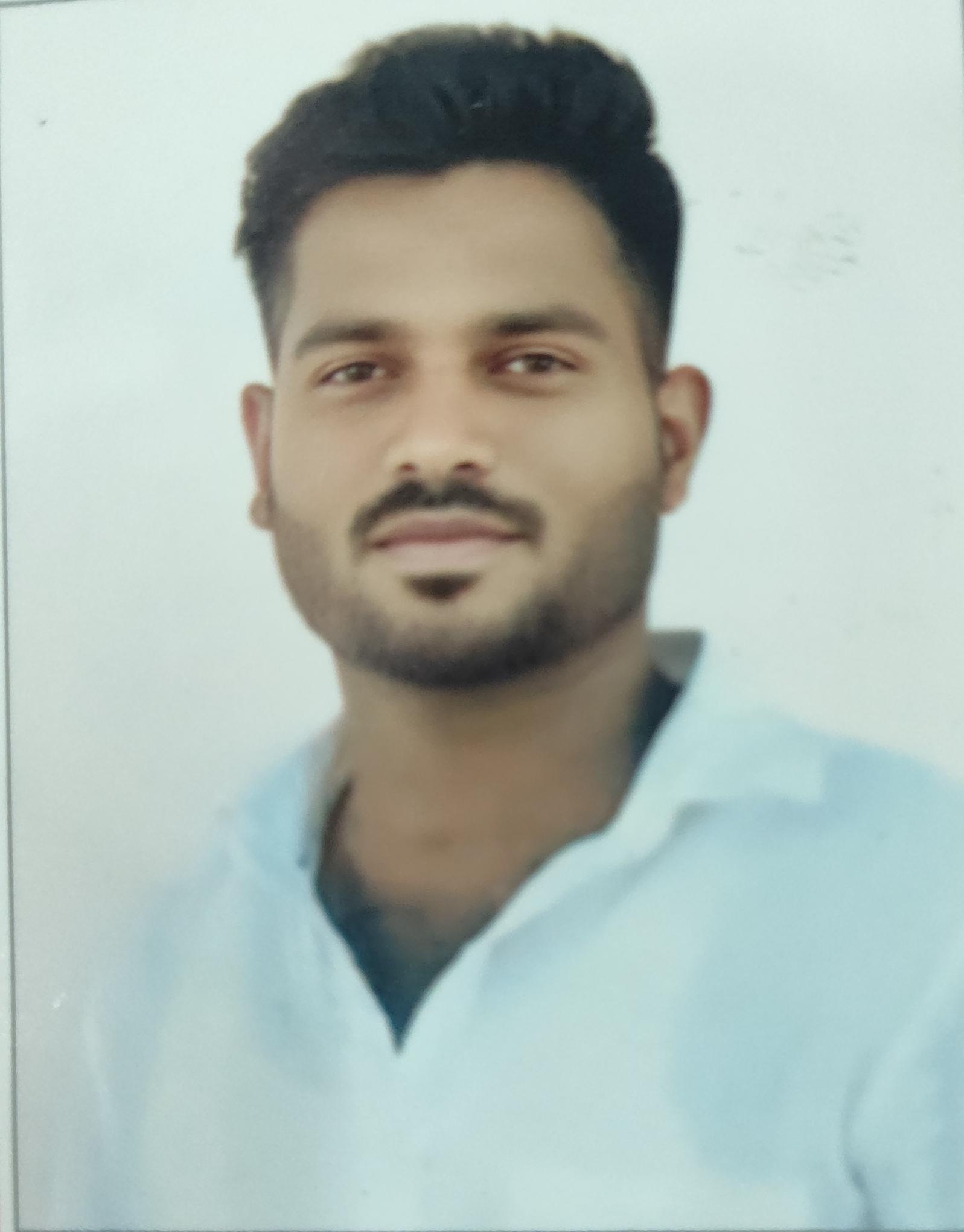
S. Karthik
Independent Candidate
Sholinganallur constituency, at Serial no 574 in Part no 696
SHOLINGANALLUR ConstituencyIndependent
Loading...
AI-generated content based on web sources. Verify independently before making decisions.
About the Candidate
AIS. Karthik, a 30-year-old independent candidate contesting from Sholinganallur constituency in Tamil Nadu, represents one of the lesser-known faces in what has become a major electoral battleground. Declaring himself as a labourer with 12th-grade education, Karthik has disclosed total assets of just Rs. 48,000 (all movable, no immovable property) with no liabilities or criminal cases. This modest financial profile is consistent with his declared profession, though it stands in stark contrast to the scale and complexity of the constituency he seeks to represent.
Sholinganallur is one of Tamil Nadu's largest and fastest-growing constituencies, encompassing key IT corridors along Old Mahabalipuram Road and coastal areas along East Coast Road. The constituency includes rapidly developing suburbs like Medavakkam, Perumbakkam, Semmenchery, and Injambakkam, with over 50 water bodies and a population grappling with infrastructure challenges. Recent elections have been dominated by DMK's S. Aravind Ramesh (who won in 2016 and 2021) and AIADMK's K.P. Kandan (who won in 2011), with no significant independent candidates making an impact.
Karthik has left virtually no digital footprint or public presence in the constituency. There are no media reports, social media profiles, campaign events, or public statements associated with his candidacy. The Federation of OMR Resident Associations (FOMRRA) has been actively engaging with candidates on 12 key demands including piped water supply, drainage infrastructure, and urban planning, but there is no record of Karthik participating in these crucial voter-candidate interactions.
Voters should know that while independent candidates are an important part of democratic choice, Karthik's complete absence from public discourse, combined with minimal resources (Rs. 48,000 in assets), raises questions about his capacity to mount a credible campaign or address the complex civic challenges facing one of Chennai's most rapidly urbanizing constituencies. His candidacy appears to lack the organizational support, financial backing, or public engagement typically needed to compete in a high-stakes urban constituency.