Loading...
AI-generated content based on web sources. Verify independently before making decisions.
About the Candidate
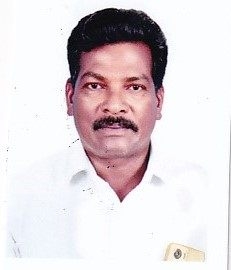
AIM. Tamilselvan, 58, is contesting from the Nannilam assembly constituency in Tiruvarur district on a Puthiya Tamilagam ticket. A 5th pass educated agricultural coolie, he represents the grassroots profile that his party — founded by K. Krishnasamy on December 15, 1997 — traditionally champions for marginalized communities. His declared assets of Rs. 31.43 lakhs (Rs. 11.43 lakhs movable and Rs. 20 lakhs immovable) with liabilities of Rs. 1 lakh reflect a modest financial background consistent with his declared profession. He has no criminal cases on record.
Tamilselvan faces a challenging electoral landscape. The Nannilam constituency in 2021 witnessed a tight race where AIADMK's R. Kamaraj won with 103,637 votes (46.95%) narrowly defeating DMK's S. Jothiraman who secured 99,213 votes (44.94%). Puthiya Tamilagam has struggled electorally in recent years — the party's only success came in 2011 when it won 2 assembly seats as part of the AIADMK alliance, but it lost both seats in 2016 and has since won zero seats in 2021 despite contesting 55 constituencies. Currently, PT holds no seats in the Tamil Nadu Legislative Assembly, Lok Sabha, or Rajya Sabha.
For the 2026 elections, Puthiya Tamilagam has announced plans to contest 70 seats across Tamil Nadu, though the party's track record raises questions about electoral viability. Tamilselvan has no identifiable social media presence or public media coverage, which may limit his ability to connect with voters in an increasingly digital campaign environment. His candidacy represents the party's focus on fielding candidates from working-class backgrounds, particularly those from agricultural and marginalized communities.
Voters in Nannilam should note that while Tamilselvan brings a grassroots profile with no criminal record, he is contesting from a party with minimal recent electoral success and limited organizational presence. His lack of public visibility and the party's track record of winning zero seats in the last two assembly elections are important considerations. The constituency's history of close contests between major Dravidian parties suggests that smaller party candidates face significant challenges in breaking through.