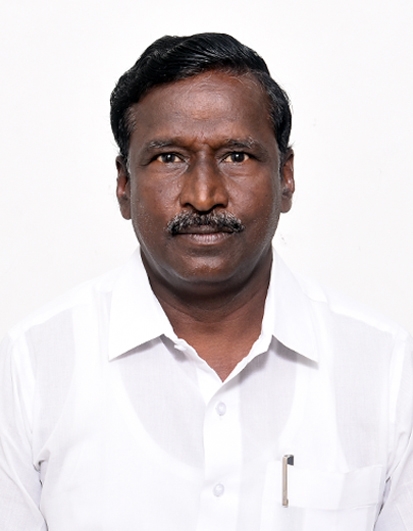
Veerasamy. T
Independent Candidate
Mayiladuthurai constituency, at Serial no 268 in Part no 210
MAYILADUTHURAI ConstituencyIndependent
Loading...
AI-generated content based on web sources. Verify independently before making decisions.
About the Candidate
AIVeerasamy. T, 58, is an independent candidate contesting from the Mayiladuthurai constituency in Tamil Nadu. With an 8th-grade education, he declares his profession as self-employment income and has declared total assets of approximately ₹5.87 lakh, all movable, with no immovable property or liabilities. He has no criminal cases registered against him. Despite his candidacy, there is remarkably little public information available about his political activities, career, or community work.
The Mayiladuthurai constituency has historical significance, with independent candidates contesting since the first Lok Sabha elections in 1952, though none named Veerasamy appear in recent electoral records from 2014, 2019, or 2024. The region has been dominated by major parties like DMK, AIADMK, and Congress in recent elections. The constituency faces significant challenges including delayed infrastructure development, unemployment following the 2017 closure of a major sugar mill, and inadequate civic amenities, issues that resonate strongly with local voters.
As an independent candidate with minimal public profile and no verified social media presence or documented political history, Veerasamy represents a category of grassroots candidates seeking to challenge established party structures. However, the complete absence of documented achievements, community initiatives, or public statements makes it difficult for voters to assess his capabilities or agenda. His modest asset declaration of under ₹6 lakh suggests limited financial resources for campaigning in a constituency where major parties typically field well-resourced candidates.
Voters should note that while independent candidates can offer alternatives to established parties, the lack of any traceable political history, public work, or articulated vision makes informed voting challenging. The absence of any digital footprint or media coverage raises questions about the candidate's actual engagement with constituency issues or ability to effectively represent the region's concerns regarding infrastructure, employment, and governance at the parliamentary level.