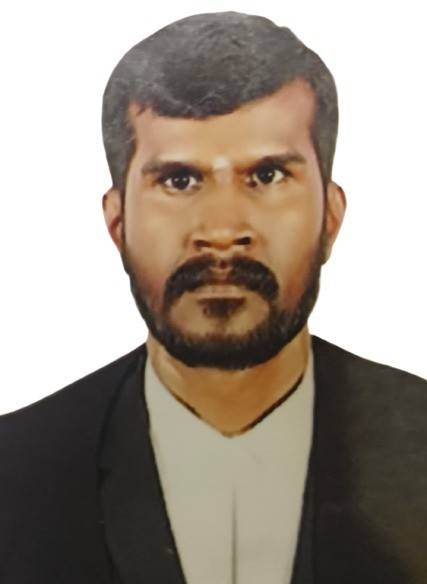
Murali Vinodh M
Independent Candidate
14 Villivakkam constituency, at Serial no 456 in Part no 54
VILLIVAKKAM ConstituencyIndependent
Loading...
AI-generated content based on web sources. Verify independently before making decisions.
About the Candidate
AIMurali Vinodh M, 42, is an independent candidate contesting from Villivakkam constituency in Tamil Nadu. A graduate professional working as an advocate, he has declared total assets of approximately Rs. 85.50 lakhs, all in movable assets with no immovable property. His affidavit shows zero liabilities and no criminal cases, presenting a clean legal record. However, despite being a contestant in one of Chennai's politically active constituencies, Murali Vinodh has virtually no public profile, media coverage, or discernible campaign presence.
Villivakkam constituency is witnessing a high-stakes electoral battle dominated by established parties. The DMK has fielded Karthik Mohan, the AIADMK has nominated S.R. Vijayakumar (who defected from TVK), and actor Joseph Vijay's newly formed Tamilaga Vettri Kazhagam has fielded Aadhava Arjuna. The constituency also saw historic representation with NTK fielding a transgender candidate, Roshini. Local voters are primarily concerned with women's safety, traffic congestion, chronic sewage problems, and housing issues for slum dwellers—bread-and-butter concerns that typically favor candidates with party machinery and resources.
As an independent candidate without visible campaign infrastructure, social media presence, or media coverage, Murali Vinodh faces an uphill battle in a constituency where voter attention is concentrated on the three-way contest between major parties. No information could be found about his previous electoral history, community work, legal practice specialization, or political motivations for contesting. His declared assets of Rs. 85.50 lakhs appear reasonable for a 42-year-old advocate, consisting entirely of movable assets including cash, bank deposits, and possibly vehicles or investments.
Voters should know that Murali Vinodh M presents as a candidate with no public controversies or legal issues, but also with no documented track record of public service, political activism, or community engagement. Independent candidates without established networks typically struggle to address constituency-wide issues like infrastructure, civic amenities, and administrative coordination that require government machinery and party support. His absence from public discourse and media coverage suggests limited campaign outreach in a constituency where voters have expressed clear expectations for addressing long-standing civic problems.