Loading...
AI-generated content based on web sources. Verify independently before making decisions.
About the Candidate
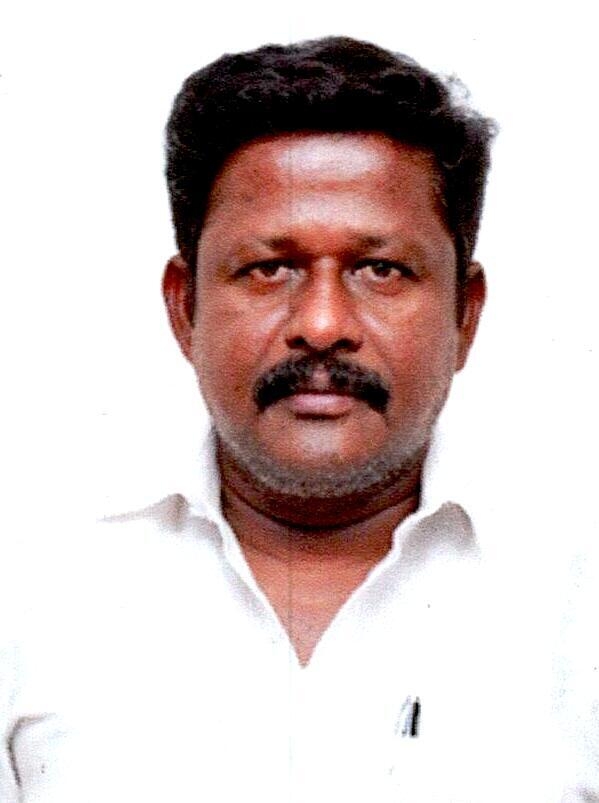
AIRamesh L N, 47, is a graduate professional engaged in agriculture and business who is contesting from the Natham constituency in Dindigul district as a candidate for Tamilaga Vettri Kazhagam (TVK) in the 2026 Tamil Nadu Assembly elections. With declared assets of approximately ₹2.95 crore (₹1.09 crore movable and ₹1.85 crore immovable) and liabilities of ₹35 lakh, he has no criminal cases on record. This marks his electoral debut as part of TVK's first-ever electoral contest across all 234 constituencies in Tamil Nadu.
TVK was founded by actor-turned-politician Vijay on February 2, 2024, positioning itself as a regional alternative emphasizing social justice, secularism, and Tamil nationalism. The party announced its complete candidate list on March 29, 2026, choosing to contest solo rather than form alliances. Ramesh faces competition in Natham from incumbent AIADMK MLA R. Viswanathan, who won in 2011 with 94,947 votes (53.87%), as well as candidates from SPA, NTK, and NOTA.
As an individual candidate, Ramesh has minimal public profile or dedicated media coverage. His political fortunes are closely tied to TVK's brand appeal, which relies heavily on founder Vijay's celebrity status and the party's ambitious manifesto promising welfare schemes including ₹2,500 monthly assistance for homemakers, ₹4,000 for unemployed graduates, 200 units free electricity, and six free LPG cylinders annually. However, TVK faces organizational challenges, including the tragic Karur crowd crush incident in September 2025 that killed 41 people and resulted in criminal proceedings against party leadership for safety violations.
Voters in Natham should note that Ramesh represents an untested political entity with no governance track record. While TVK's welfare promises are extensive—including transforming Tamil Nadu into a $1.5 trillion economy by 2036—the party's ability to deliver remains unproven. His clean affidavit with no criminal cases and reasonable asset declaration for his stated profession provide a baseline of transparency, but his lack of prior political experience or documented community work means voters have limited information to assess his individual capabilities beyond party affiliation.