Loading...
AI-generated content based on web sources. Verify independently before making decisions.
About the Candidate
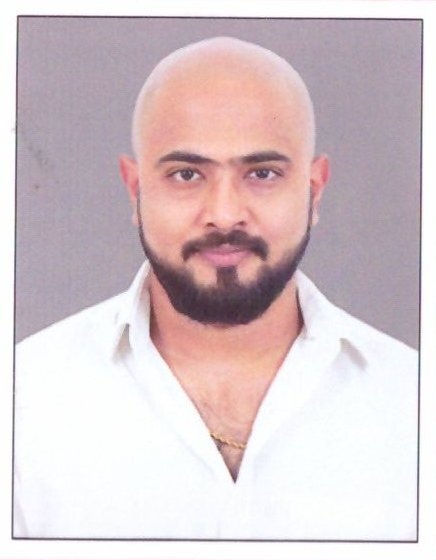
AIArun RL, 33, is a graduate working in the private sector who is contesting the 2026 Tamil Nadu Assembly elections from Mylapore constituency on a Naam Tamilar Katchi (NTK) ticket. He represents a relatively young political force in Tamil Nadu - NTK was founded in 2010 by filmmaker-turned-politician Seeman and has positioned itself as a Tamil nationalist alternative to the traditional DMK-AIADMK binary. With declared assets of Rs 3.47 crores and no criminal cases, Arun RL maintains a clean legal record, though he lacks any significant public profile or media coverage.
The Mylapore constituency he is contesting is a culturally significant urban area in Chennai traditionally dominated by DMK and AIADMK, with BJP also fielding prominent candidates in 2026. NTK's electoral journey has been marked by steady growth but no legislative success - the party secured just 1.1% vote share in 2016, grew to 3.89% in the 2019 parliamentary elections, and jumped to 6.72% in the 2021 Assembly elections, making it the third-largest party by vote share despite winning zero seats. This pattern of growing popular support without seat conversion poses both an opportunity and challenge for first-time candidates like Arun RL.
While specific information about Arun RL's individual political work, development initiatives, or controversies is not available in public records, his party NTK has been active on social issues including advocating for herders' grazing rights and criticizing forest department policies. However, the party has also courted controversy through aggressive protests, notably against the film 'Kingdom' which led to theater attacks and required Madras High Court intervention to protect screening venues. The party maintains an independent stance, refusing alliances with mainstream parties and focusing on Tamil cultural preservation, linguistic rights, and social justice.
Voters in Mylapore should know that Arun RL is a political newcomer with no prior electoral experience or documented track record in public service or development work. His candidacy represents NTK's attempt to expand its urban footprint in culturally significant constituencies, banking on the party's growing anti-establishment appeal. However, with no previous legislative representation and limited information about the candidate's specific plans or qualifications beyond his party affiliation, voters have minimal basis to evaluate his individual capabilities or commitment to constituency issues.