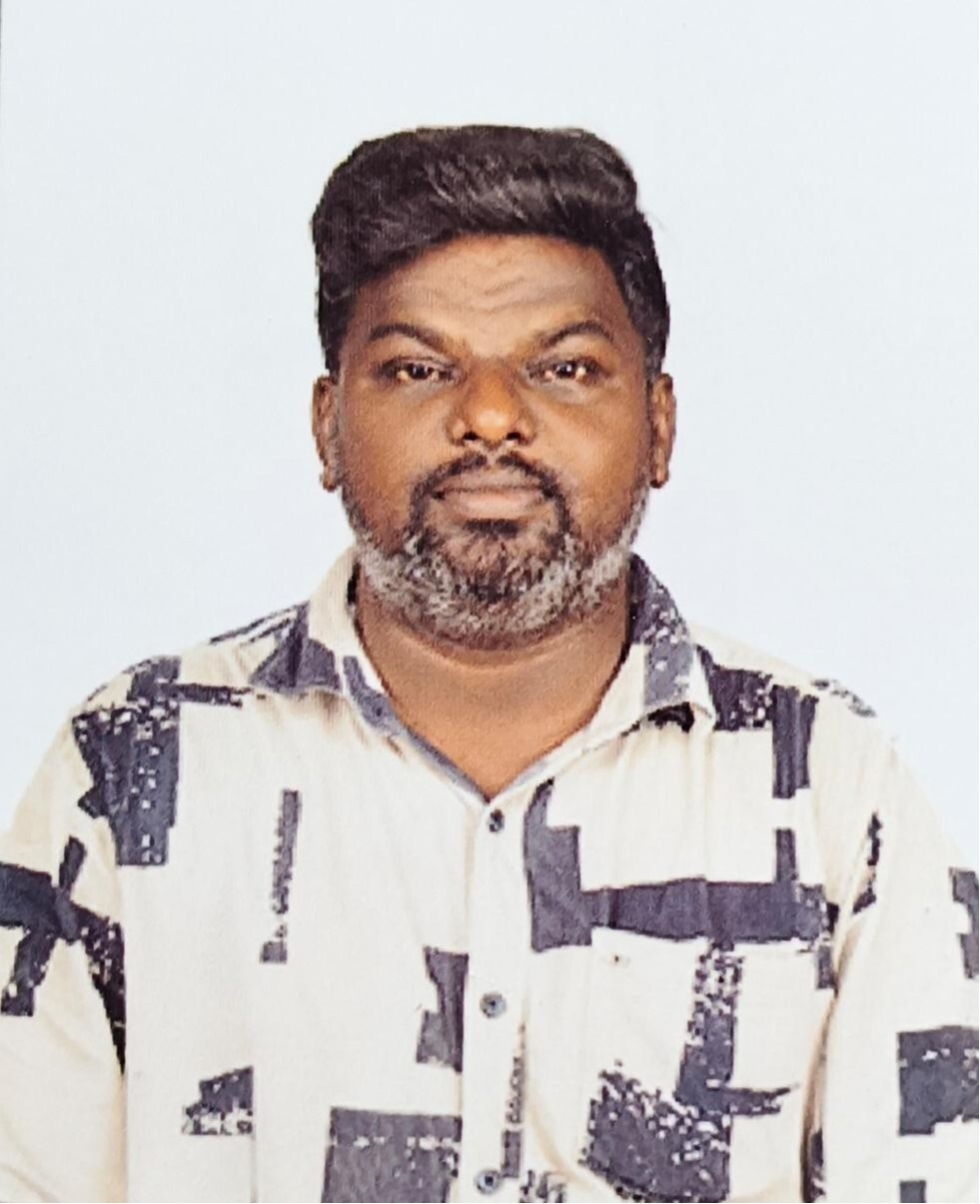
K.Dhanabal
Independent Candidate
Modakkurichi constituency, at Serial no 146 in Part no 80
MODAKKURICHI ConstituencyIndependent
Loading...
Age
38
Education
Post Graduate
Verified
Profession
Higher Education Consultant
Constituency
MODAKKURICHI
ViewAI-generated content based on web sources. Verify independently before making decisions.
About the Candidate
AIK. Dhanabal, 38, is contesting as an independent candidate from the Modakkurichi assembly constituency in Erode district, Tamil Nadu. Holding a postgraduate degree, he declares his profession as a Higher Education Consultant with modest assets totaling Rs. 5.58 lakhs (entirely movable assets) and liabilities of Rs. 2.55 lakhs. With zero criminal cases on record, his affidavit presents a clean legal profile. However, what is most striking about this candidacy is the complete absence of any public footprint.
Despite filing nomination papers, there is no discoverable history of K. Dhanabal in election records, news coverage, social media platforms, or community engagement in Modakkurichi. No verified profiles exist on Twitter, Facebook, YouTube, or Instagram, and searches combining his name with the constituency yield no results. There are no documented public speeches, interviews, development initiatives, or grassroots campaigns attributed to him. This stands in stark contrast to the highly competitive political landscape of Modakkurichi, where the 2021 election saw BJP's C. Saraswathi defeat DMK's Subbulakshmi Jagadeesan by a razor-thin margin of 281 votes.
Modakkurichi has historically been contested between AIADMK and DMK, with BJP making significant inroads in 2021. The constituency's voters have demonstrated a willingness to shift loyalties based on local issues such as infrastructure development, agricultural support, and employment opportunities. Independent candidates theoretically have an opening in such fluid political environments, but success typically requires visible community engagement and established credibility.
Voters should know that while K. Dhanabal's financial declarations appear modest and transparent, and his educational background suggests professional capability, there is no publicly available track record of political experience, community service, or policy positions to evaluate. For an independent candidate competing against established party machinery in a closely contested constituency, the lack of any discoverable public presence or documented local engagement represents a significant information gap that voters will need to address through direct inquiry at the grassroots level.