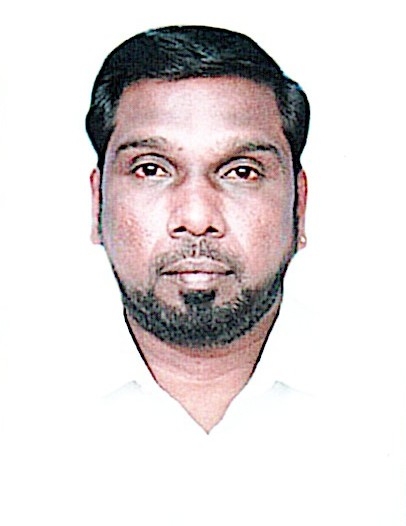
Arul Doss. A.
Independent Candidate
Kolathur constituency, at Serial no 663 in Part no 244
KOLATHUR ConstituencyIndependent
Loading...
AI-generated content based on web sources. Verify independently before making decisions.
About the Candidate
AIArul Doss A., a 44-year-old driver by profession, is contesting as an Independent candidate from the Kolathur constituency in Tamil Nadu. With declared total assets of Rs. 2.88 lakhs (entirely movable assets with no immovable property) and zero liabilities, his financial profile is modest and consistent with his profession. He has no criminal cases registered against him and has declared his educational qualification as 'Others' without specifying formal degrees. His affidavit shows no previous electoral history, suggesting this may be his first serious foray into electoral politics.
Web searches reveal virtually no public presence, media coverage, or documented political activities for Arul Doss. Unlike established politicians, there is no Wikipedia page, news coverage, social media presence, or documented development work attributed to him. This absence of digital footprint is unusual in contemporary Indian politics but not uncommon for first-time Independent candidates who may lack the resources and party machinery necessary for public visibility. No controversies, corruption allegations, or legal issues were found in available records.
As an Independent candidate, Arul Doss faces significant electoral challenges in Kolathur, a constituency where major parties like DMK and AIADMK traditionally dominate. The constituency has witnessed considerable infrastructure development under the current DMK government, including new hospitals, educational institutions, and drainage improvements, though residents continue to face issues like traffic congestion and waterlogging. Without party support, established voter base, or documented track record of public service, Independent candidates typically struggle to gain electoral traction.
Voters should note that Arul Doss represents a genuine grassroots candidacy from a working-class background with clean financial and criminal records. However, the complete absence of any documented political experience, public service record, or articulated vision for the constituency raises questions about electoral preparedness and ability to effectively represent voters' interests if elected.