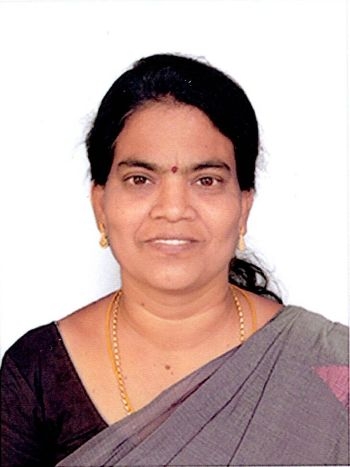
Shanthalakshmi. K.
59 - Dharmapuri constituency, at Serial no 525 in Part no 153
DHARMAPURI ConstituencyLoading...
Age
50
Education
Post Graduate
Verified
Profession
Social Service, Politics, Entrepreneurship (Educational Service)
Constituency
DHARMAPURI
ViewAI-generated content based on web sources. Verify independently before making decisions.
About the Candidate
AIShanthalakshmi K., 50, is a first-time candidate contesting from the Dharmapuri constituency on a Naam Tamilar Katchi (NTK) ticket in the 2026 Tamil Nadu Assembly elections. A postgraduate with professional experience spanning social service, politics, and entrepreneurship in educational services, she has declared assets totaling Rs. 44.34 lakhs with no criminal cases. Her candidacy represents NTK's continued strategy of contesting solo across all constituencies, a party founded in 1958 and currently led by filmmaker-turned-politician Seeman.
NTK has positioned itself as Tamil Nadu's third-largest political force after securing 6.72% vote share in the 2021 Assembly elections while remaining independent of major political alliances. The party advocates for Tamil nationalism, regionalism, and environmentalism, with key demands including support for an independent Tamil Eelam in Sri Lanka, greater state autonomy, and Tamil identity rights. In Dharmapuri specifically, NTK's performance has been modest—its 2021 candidate secured 4.04% votes, while the 2019 Lok Sabha candidate received 1.61%, indicating the party has ground to cover in this constituency.
Web searches did not yield specific information about Shanthalakshmi's individual political activities, development work, or public profile beyond her candidacy announcement. This limited online presence is not unusual for first-time candidates from smaller parties. While her party has faced controversies—including protests against films that resulted in theater attacks and sedition charges against party leader Seeman for statements on Katchatheevu island—no personal controversies or legal issues involving Shanthalakshmi were found in available sources.
Voters should note that Shanthalakshmi enters this race as part of NTK's broader Tamil nationalist movement, banking on the party's growing statewide appeal rather than an established individual political record. Her declared assets of Rs. 44 lakhs appear reasonable for her stated professions, and her clean criminal record stands in her favor. However, the absence of documented public service work or specific constituency-level achievements means voters have limited information to assess her individual capabilities beyond party affiliation.