Loading...
AI-generated content based on web sources. Verify independently before making decisions.
About the Candidate
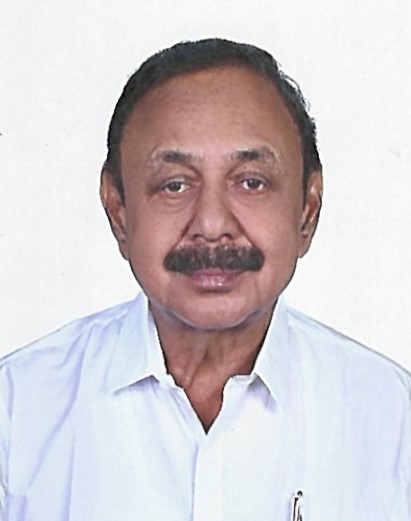
AIBalakrishnan, 70, is contesting from Bhavani constituency in the 2026 Tamil Nadu Assembly elections as a candidate for the newly formed Tamilaga Vettri Kazhagam (TVK), founded by actor-turned-politician Vijay on February 2, 2024. A graduate professional with declared business and farming interests, Balakrishnan has declared assets worth ₹51.84 crore (₹15.93 crore movable and ₹35.90 crore immovable) with minimal liabilities of ₹3 lakh and no criminal cases. He is entering a constituency that has been an AIADMK stronghold, with K.C. Karuppannan winning in both 2016 and 2021 elections.
Balakrishnan faces the challenge of being a first-time candidate from a nascent political party that, despite its leader's star power, carries the burden of the September 2025 Karur tragedy where 41 people died during a TVK rally. Police filed FIRs against TVK leaders for culpable homicide, accusing them of ignoring safety protocols and violating traffic regulations, leading to the arrest of the party's Karur district secretary. This incident has cast a shadow over TVK's campaign, though no personal allegations against Balakrishnan have emerged in public records.
His party's manifesto positions TVK as a progressive alternative to traditional Dravidian parties, emphasizing social justice, secularism, and AI-driven governance. The ambitious economic agenda includes welfare schemes targeting women, unemployed graduates, farmers, and persons with disabilities, along with a vision to make Tamil Nadu a $1.5 trillion economy by 2036. However, specific information about Balakrishnan's own political journey, community work, or local standing in Bhavani remains absent from public records.
Voters in Bhavani should note that Balakrishnan represents a completely new political experiment in Tamil Nadu—a party less than two years old led by a film star with no governance track record. His substantial declared wealth of over ₹51 crore appears consistent with his stated business and farming profession, and his clean criminal record is a positive factor. However, the absence of any documented political experience, public service record, or media presence makes it difficult for voters to assess his individual credentials beyond his party affiliation and the leader's charisma.