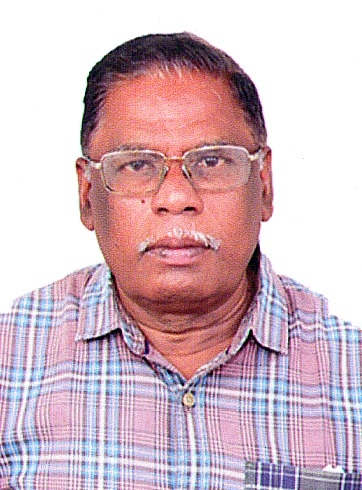
Manickam. K.
Independent Candidate
90-Salem South constituency, at Serial no 307 in Part no 218
ATTUR (Reserved) ConstituencyIndependent
Loading...
AI-generated content based on web sources. Verify independently before making decisions.
About the Candidate
AIManickam K., a 68-year-old independent candidate contesting from the Attur (SC) constituency in Tamil Nadu, presents as a retired government servant with a doctorate degree. According to his affidavit, he has declared assets worth approximately Rs. 1.38 crore, comprising Rs. 38 lakhs in movable assets and Rs. 1 crore in immovable property, with liabilities of Rs. 2.8 lakhs. His financial profile appears consistent with a retired government official with a doctoral qualification.
What is striking about this candidate is the complete absence of any public record or digital footprint. Comprehensive searches across election databases, Wikipedia, MyNeta.info, and news archives reveal no prior electoral history, no media coverage, and no public engagement records for an independent politician named Manickam from Attur (SC). The Attur constituency, reserved for Scheduled Caste candidates in Salem district, has historically seen winners from major parties like INC, DMK, and AIADMK, but no record of this particular independent candidate.
The lack of any verifiable public information makes it difficult to assess Manickam's political experience, track record, or community engagement. While his educational qualifications (doctorate) and professional background (retired government service) suggest relevant credentials, voters have no documented history of his work, achievements, or political positions to evaluate. His declaration of zero criminal cases is positive, and his asset declaration appears reasonable for his stated profession.
Voters should be aware that they are considering a candidate with no documented political history or public track record. This could mean either a genuine first-time entrant to politics bringing fresh perspective, or someone entering the electoral arena without established community credentials or proven leadership experience. The absence of any online presence or media coverage in an increasingly digital age raises questions about his campaign infrastructure and ability to effectively represent constituents in a modern legislative environment.